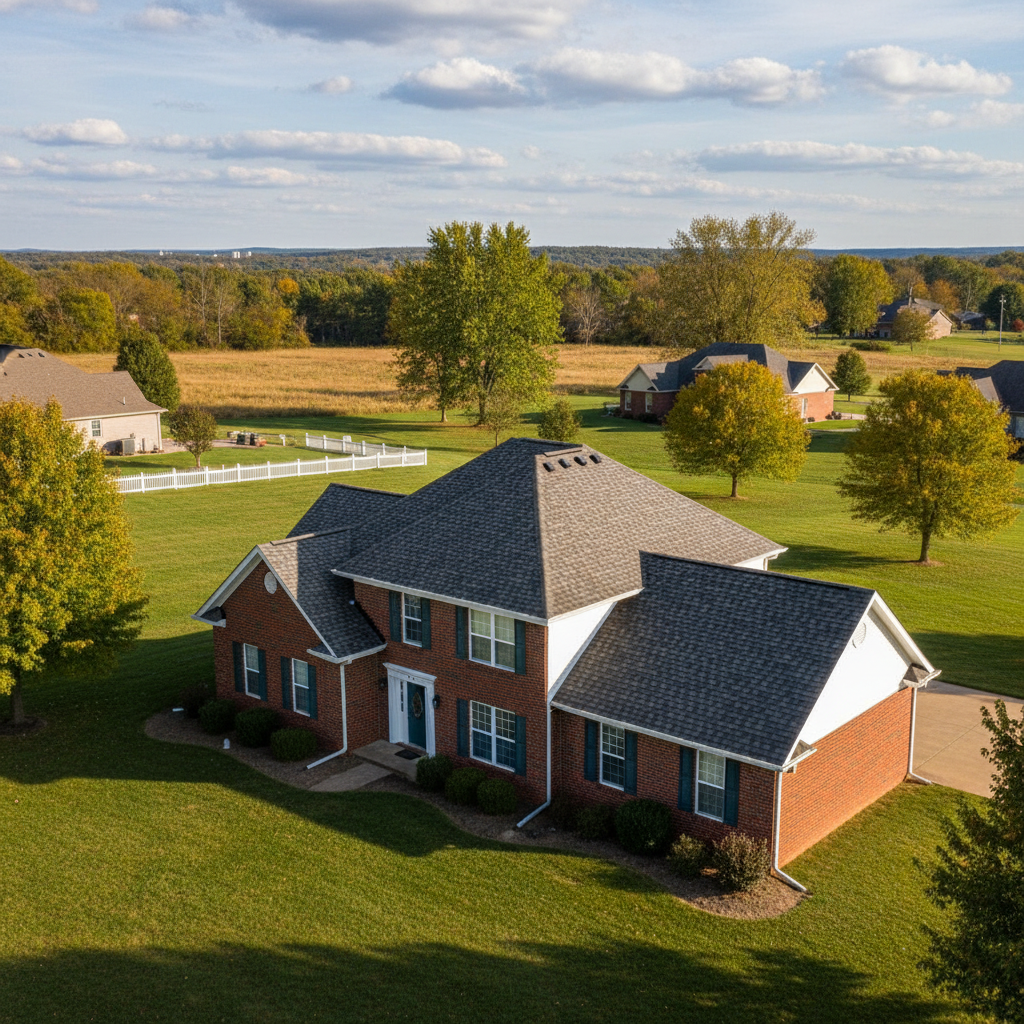
Storms really hit Leavenworth hard, don't they? Every single year, we see roofs get torn up by hail, high winds, and those crazy downpours. It's not just about getting the repair done, either; it's about making sure it's done right and at the right time. There's a lot of chatter out there, but let me tell you what I've seen working on roofs all over Leavenworth, from the older homes down by the river to the newer builds out near Lansing.
When to Fix Your Storm Damage
Okay, so you've got storm damage. Now what? First off, don't panic. Get a temporary fix if you need one – a tarp can save you a lot of headache and interior water damage. But when it comes to the actual repair, timing can be a really big deal. You want to get it handled pretty quickly after the damage happens, especially if you're dealing with insurance. Most insurance companies want you to file a claim within a certain timeframe, usually a year, but the sooner the better for documentation, right?
However, that doesn't mean you should rush into a full roof replacement in the middle of a blizzard. We've got pretty distinct seasons here in Kansas, and they all play a role. Spring and fall are usually prime time for roofing work. The temperatures are moderate, so shingles lay down properly, seal up nicely, and our crews aren't battling extreme heat or dangerous ice. Summer can work, but those 100-degree days we get? They're tough on everyone, and hot shingles can be tricky to work with without causing more damage. Winter? Forget about it for major shingle work if it's below freezing. Shingles get brittle, sealants don't cure, and frankly, it's just not safe or effective. We can do emergency patches, sure, but a full replacement or extensive repair really needs warmer weather.
Weather That Messes Up Roofing Work
You might think a little rain won't hurt, but it's a big no-go for most roofing. Here's why:
- Rain: Obvious, right? Wet surfaces are slippery and dangerous for my crew. Plus, you can't install new underlayment or shingles on a wet deck. It traps moisture, leading to mold and rot down the line. We just won't do it.
- High Winds: Even if it's not raining, strong winds make it unsafe. Materials can blow off the roof, tools can become projectiles, and my guys can lose their balance. We're talking about safety first. Anything over 20-25 mph, and we're usually packing it in.
- Extreme Cold: Like I said, below freezing temps make shingles brittle. They'll crack when you try to nail them, and the adhesive strips won't seal properly. That means your new roof won't be as durable as it should be, and you'll have issues with wind uplift later on.
- Extreme Heat: While not as restrictive as cold, super-hot days (think 95°F and up) can make shingles too soft. Walking on them can scuff off granules, shortening their lifespan. It also makes for brutal working conditions, which can slow things down and increase the risk of mistakes.
So, when you call us at Leavenworth Roofing Company, we'll always be upfront about the weather. We'd rather reschedule than do a shoddy job or put our team at risk.
Keeping Your Investment Safe All Year
Your roof is a big investment, and here in Leavenworth, it really takes a beating. Here's how you can help it last:
- Regular Inspections: I tell everyone to get their roof looked at at least once a year, preferably in the spring or fall. We can spot small issues – loose shingles, cracked caulk around vents, clogged gutters – before they turn into big, expensive problems. After a major storm, an inspection is absolutely critical.
- Clean Gutters: Seriously, this is so simple but so often overlooked. Clogged gutters cause water to back up, leading to fascia rot, ice dams in winter, and even water intrusion into your attic or walls. Keep 'em clear, especially with all the cottonwood trees we have around here.
- Trim Trees: Overhanging branches are a huge risk. They drop leaves and debris, scratch shingles, and in a strong wind, a falling branch can cause catastrophic damage. Keep those branches trimmed back a good 6-10 feet from your roofline.
- Ventilation: Make sure your attic is properly ventilated. Good airflow prevents heat and moisture buildup, which can cook your shingles from the inside out and lead to mold.
Taking these steps won't stop every storm, but they'll give your roof the best fighting chance against what Leavenworth weather throws at it. If you've got questions or need an inspection, give us a shout. We're always here to help our neighbors.